
Is SmartyMe Worth It? Who Gets the Most Out of It
The question of whether a subscription is worth it depends on who is asking. The same monthly cost that feels trivial to one person feels significant to another. The same content library that fills a real need for one user leaves another wanting more depth. Generic answers about whether an app is "worth it" tend to be useless because they ignore the actual variable that matters - who you are, and how you plan to use it. Looking at the practical question of is SmartyMe worth it, broken down by user type, gives a more useful answer than any average review can.
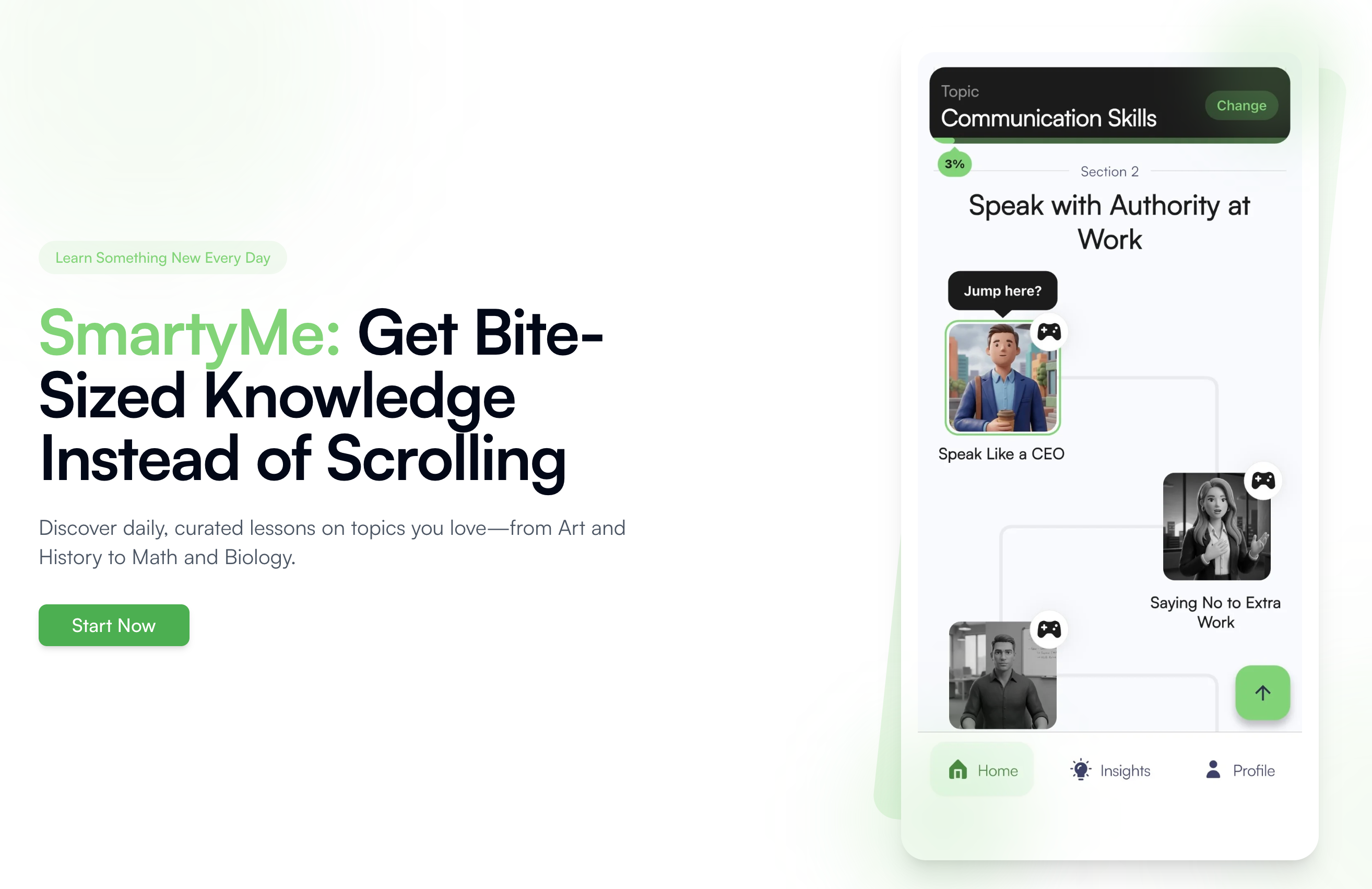
The Cost vs Value Math for Regular Users
Any subscription is worth the money if the usage per unit of cost lands somewhere reasonable. That reasonable range varies by person, but the calculation itself is straightforward.
If you use the app daily for a full month, that is roughly 30 sessions per month. If a monthly subscription costs about the same as two or three coffees, the cost per session lands well under a dollar. For sessions that reliably contain useful content in categories you care about, that cost per session is easy to justify.
If you use the app twice a week, that same cost divides across roughly 8 sessions. The per-session cost triples, but it is still not unreasonable if the content genuinely helps. Where the math starts to feel bad is when usage drops toward once a week or less. At that point the subscription is not being used enough to earn its cost.
The useful pattern to notice is that the math is not really about the price - it is about the frequency of use. Any subscription that gets opened daily is easier to justify than one opened occasionally. This means the question of whether the app is worth it becomes largely a question of whether you will actually use it consistently.
Who Gets the Most Learning Hours Out of the Format
The users who consistently report the highest value from the subscription share a set of characteristics. Not every characteristic needs to apply, but the more that do, the better the fit tends to be.
Users who tend to get the most out of the subscription typically share these traits:
- They have small consistent windows of free time rather than large occasional blocks
- They prefer general breadth over narrow depth in most of their learning
- They value habit consistency over motivational intensity
- They have topics they are genuinely curious about
- They can accept that some categories will be deeper than others
- They will use the app more than three times a week on average
The first trait is the most predictive. People with fragmented time - a commute, a lunch break, a morning coffee window - are exactly who microlearning was designed for. Users with large uninterrupted blocks of study time often get more value from longer formats.
The second trait matters because the app is genuinely a breadth-first product. If you want deep expertise in one specific area, you would be better served by textbooks, courses, or actual training. Users who value habit over motivation sustain the subscription longest. Motivation-driven users tend to burn out and cancel. Habit-driven users tend to renew year after year.
Reading the r/Smartymeapp thread on best topics https://www.reddit.com/r/Smartymeapp/comments/1qwh0wv/best_topics_in_smartyme_right_now_and_what_you/, the users who describe their long-term use tend to fit this profile. They rotate between categories rather than exhausting one, talk about curiosity across topics rather than mastery of any single one, and fit the app into existing routine rather than building a new routine around it.
Who Probably Should Not Subscribe
The subscription tends to be worse value for users seeking depth in one specific technical field. If you want to learn programming, statistics, or engineering, this format cannot replace what you actually need. It can supplement, but not substitute. Users who plan to use the app only when they feel motivated tend to get poor value. The app is designed for sustained casual use, not for intensive sprint sessions followed by long gaps.
Users who need certification or formal credentials do not benefit from the format. Nothing in the app produces a certificate or verifiable credential that another party would recognize. The pattern is that the subscription is not a universal answer to learning goals. It is a specific tool for a specific type of use. Matching the tool to your actual situation is what makes it worth the money.
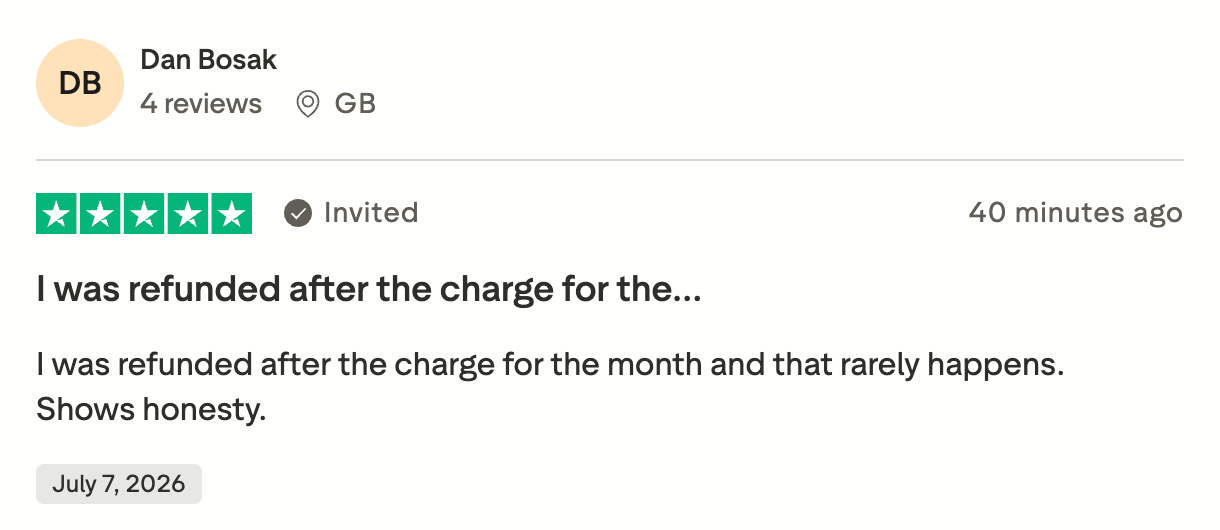
Trustpilot is one of the useful stops when researching any subscription app, and the reviews there tend to describe practical experience rather than promotional impressions.
How to Test Whether It Is Worth It for You Specifically
Since predicting whether a subscription will be worth it in advance is hard, the practical approach is to test rather than predict. The refund window makes this test genuinely low-risk. Subscribe to a monthly plan. Use the app the way you would if you had committed for a year. Do not artificially inflate your usage - use it naturally, at the frequency that feels right. After three weeks, look back at how many sessions you actually completed and how you felt about the ones that stood out.
If you completed at least three sessions per week on average and the content produced moments where you learned something valuable, the subscription is probably worth it for you. Continue. If you completed fewer than three sessions per week, or the content felt unremarkable, the subscription is probably not the right fit at this point in your life.
Request the refund within the 28-day window. The test replaces prediction with data. Instead of trying to guess whether you will be a good fit, you generate three weeks of your own actual behavior to look at. That is more reliable than any framework anyone could give you.